
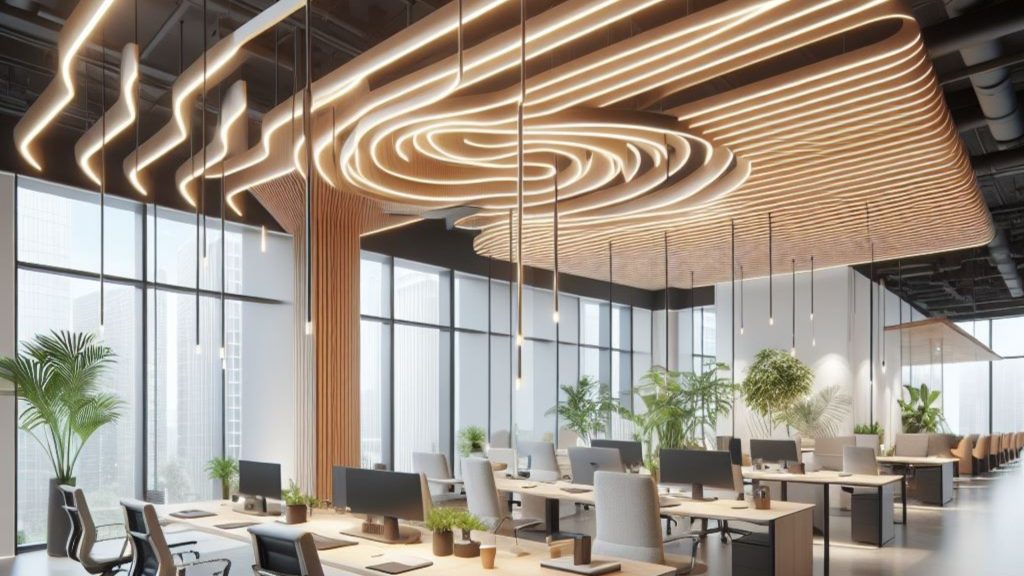
Lighting Design
Aesthetics and Atmosphere
One of the primary functions of lighting design is to shape the ambiance of a space. Designers play with light intensity, color, and direction to achieve the desired mood. For instance, warm lighting is often used in restaurants to create a welcoming feel, while cooler, high-intensity lights are common in workspaces to improve focus and productivity.
Functionality and Practicality
Good lighting design balances aesthetics with functionality, ensuring spaces are adequately lit for their purpose. Task lighting, for example, is crucial in areas where specific activities take place, like kitchens, offices, or workshops. Layering different types of lighting—ambient, task, and accent—allows designers to create versatile, flexible environments that serve various needs.
Human-Centric Design
An emerging focus within the industry is human-centric or circadian lighting. This approach seeks to enhance well-being by aligning indoor lighting with natural human circadian rhythms. By mimicking the progression of natural light throughout the day, human-centric lighting can improve sleep, mood, and even cognitive performance, particularly in settings like offices, schools, and healthcare facilities.
Energy Efficiency and Sustainability:
With growing concerns about energy consumption, custom lighting solutions often prioritize energy-efficient technologies. LED lights, smart controls, and automated systems can be incorporated into custom designs to reduce energy usage and operational costs. By selecting materials and components that promote sustainability, customized lighting solutions can meet environmental goals while still providing high-quality illumination.